The temperature transmitters, pressure transmitters, mass flowmeters, float flowmeters, and vortex flowmeters from Jiangsu Huahai Measurement and Control Technology Co., Ltd. provide precise measurement and control support for the project of Baotou Mengrong Fine Materials Co., Ltd. with an annual output of 18,000 tons of extractants and 6,000 tons of mineral processing reagents. They realize real-time monitoring and efficient control of key parameters such as flow, temperature, and pressure.
Case Details
1.Introduction of the project
Project Introduction
The project of annual output of 18,000 tons of extractants and 6,000 tons of mineral processing reagents by Baotou Mengrong Fine Materials Co., Ltd. is located in Tumd Right Banner, Baotou, Inner Mongolia, covering an area of 100 mu and constructed in two phases. In Phase I, a production line with an annual output of 9,000 tons of P507 extractant and a production line with an annual output of 6,000 tons of mineral processing reagents will be newly built. In Phase II, a production line with an annual output of 6,000 tons of P204 extractant and a production line with an annual output of 3,000 tons of TBP extractant will be newly built. The project aims to expand the production scale of the enterprise and increase market share, and will promote the economic development of the enterprise after it is put into operation.
Role of Extractants
Extractants (such as P507, P204, TBP) are mainly used in the field of metal extraction and separation. They can realize the separation and purification of different metal ions by reacting with metal ions (such as complexation), and are widely used in metallurgy, chemical industry and other industries to help efficiently extract non-ferrous metals, rare metals, etc.
Role of Mineral Processing Reagents
Mineral processing reagents play a key role in mineral resource processing. They can change the surface properties of minerals to separate target minerals from gangue minerals. Among them, collectors can enhance the floatability of target minerals, frothers can form stable foams to enrich minerals, and regulators can adjust the properties of pulp, thereby improving mineral processing efficiency and helping mining enterprises to efficiently recover useful minerals.
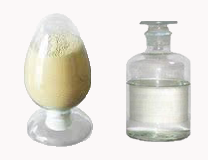
Extractants and Mineral Processing Reagents
2.How Jiangsu Huahai's Instruments Are Applied in the Project?
Temperature and Pressure Transmitters: Full-Process Application in Extractant and Mineral Processing Reagent Production
Throughout the entire production process of extractants and mineral processing reagents, precise control of both temperature and pressure is essential across multiple key links. These links include core reaction equipment such as reactors, dehydration kettles, concentration kettles, and refining kettles; separation and purification devices like dehydration towers, rectification towers, and wastewater towers; material storage facilities including storage tanks and liquid temporary storage tanks; as well as critical process steps such as film lifting and falling film evaporation.
Both temperature transmitters and pressure transmitters play indispensable roles in this process. Temperature transmitters collect real-time, stable temperature data, while pressure transmitters monitor pressure fluctuations across each link—together, they provide a reliable basis for the accurate regulation of production processes. This not only ensures the stability of key process parameters (temperature and pressure), but also effectively guarantees the production quality and operational efficiency of extractants and mineral processing reagents.
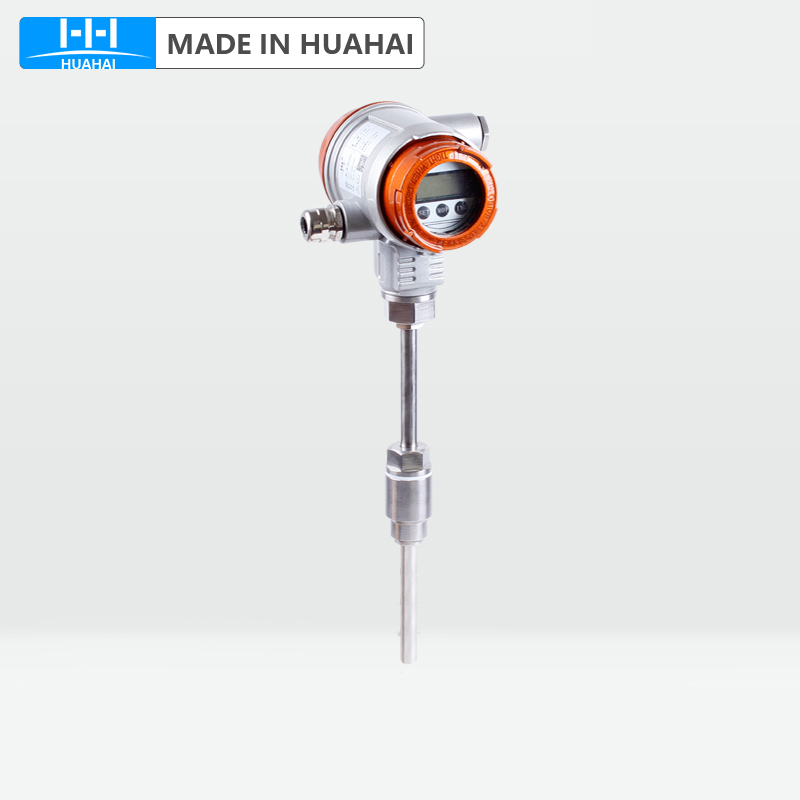 Temperature Transmitter
Rotameters: Core Equipment for Small-Flow Parameter Monitoring in the Project
In the production process of this project, rotameters are also widely used. Their most notable feature is high accuracy in measuring small flows, which allows them to specifically monitor key small-flow parameters such as the inlet and outlet flow rates of the sodium butoxide dehydration kettle, the outlet flow rate of the sodium butoxide concentration kettle, the reflux and outlet flow rates of the concentrated butanol receiving tank, as well as the water inlet and feed flow rates of the extraction tank, the feed and reflux flow rates in the crude distillation section, and the feed, outlet, and reflux flow rates of the water-butanol system.
Rotameters play an irreplaceable role in these scenarios: they can accurately capture tiny flow changes, ensuring stable material proportioning and precise flow control in each process link. This provides crucial data support for maintaining material balance, improving reaction efficiency, and stabilizing product quality in the production of extractants and mineral processing reagents. Especially under small-flow working conditions, their measurement stability and adaptability serve as an important foundation for ensuring the continuous and efficient operation of production.
Rotameters Field Photo
Mass Flowmeters: The Irreplaceable Choice for Discharge Measurement in Falling Film Receiving Tanks
Why do mass flowmeters, despite their high cost, remain the mandatory choice for discharge measurement? The answer lies in the strict requirements of this process for measurement accuracy, working condition adaptability, and parameter output. Faced with a pressured environment (high temperature of 120℃, pressure of 0.4MPa), along with core demands like high accuracy of Class 0.2 and simultaneous output of mass flow and density, ordinary flowmeters either suffer from measurement inaccuracies due to density fluctuations, fail to withstand harsh working conditions, or require additional equipment to increase complexity. Only mass flowmeters can meet all these rigid requirements in one solution—their irreplaceability stems precisely from their accurate alignment with these critical production needs.
Electromagnetic Flowmeters: The Ideal Choice for Conductive, Corrosive & Clog-Prone Media (e.g., Alkaline Liquor, Hydrochloric Acid)
In industrial production, electromagnetic flowmeters stand as the ideal choice for measuring conductive, highly corrosive, and easily clogging media—with typical examples including 35% alkaline liquor and hydrochloric acid solutions. Their design is precisely tailored to address the unique challenges of such media, making them highly compatible.
Such media share key characteristics: on one hand, alkaline solutions (e.g., sodium hydroxide solutions) and hydrochloric acid solutions are both highly corrosive and conductive (due to their ion content); on the other hand, during transportation or reaction, they tend to precipitate crystals (e.g., alkaline liquor easily scales at low temperatures) due to temperature changes or concentration fluctuations, or carry trace impurities—posing a significant clogging risk.
Electromagnetic flowmeters perfectly tackle these challenges: first, they have no moving parts and feature smooth flow channels, with linings often made of corrosion-resistant materials like PTFE or ceramics—effectively preventing clogging and wear. Second, their electrodes can be manufactured from corrosion-resistant materials such as titanium, Hastelloy, or tantalum, enabling long-term resistance to the erosion of strong alkalis and acids. Third, they operate based on the principle of electromagnetic induction, requiring only the medium to be conductive for accurate measurement—a condition that aligns exactly with the conductivity of acid and alkaline solutions.
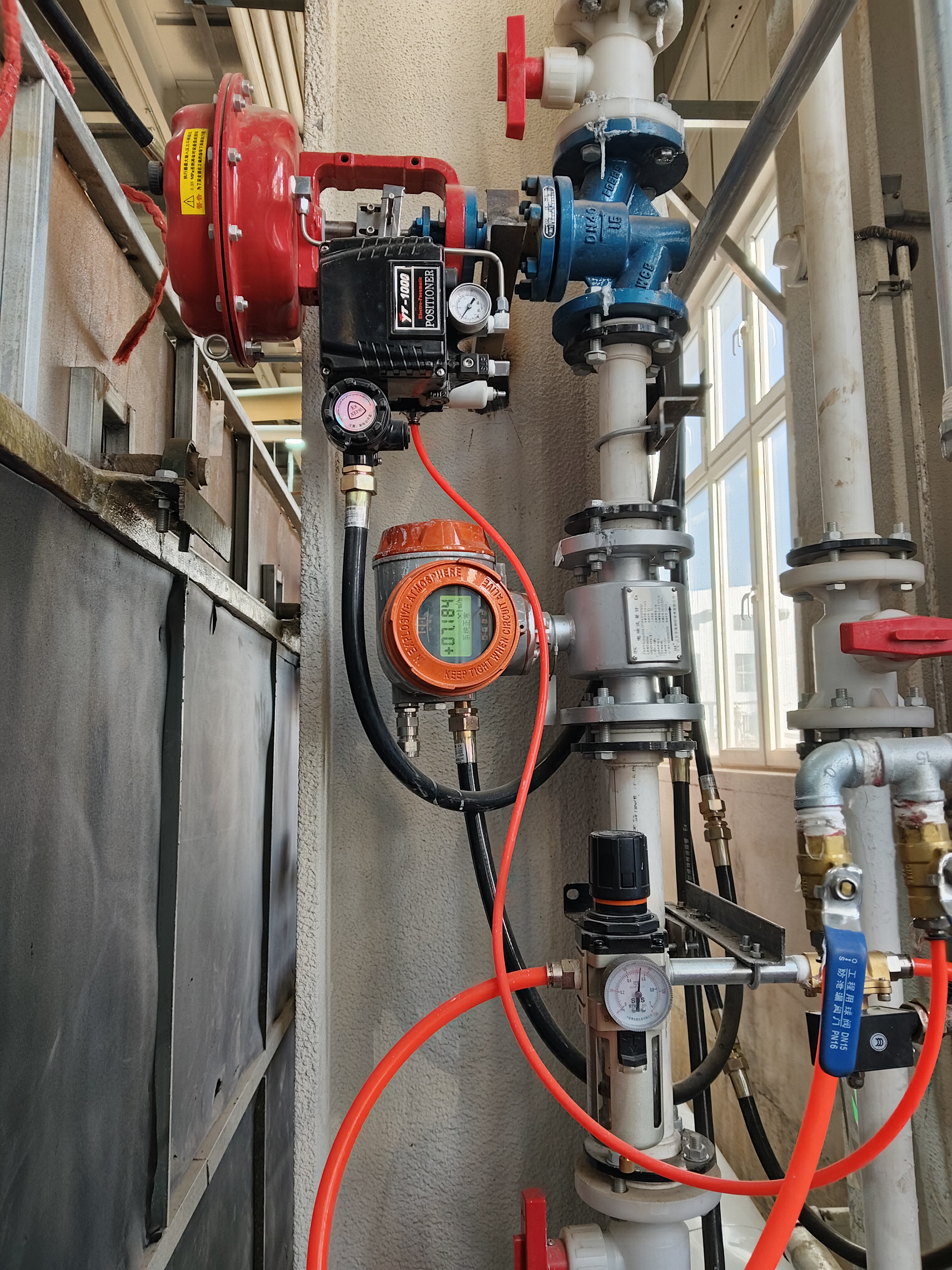
Electromagnetic Flowmeter Field Photo
3.Conclusion
In the complex processes of industrial production, various types of flowmeters, with their unique design principles and adaptability to operating conditions, play irreplaceable roles in different scenarios: Electromagnetic flowmeters, characterized by corrosion resistance, anti-clogging performance, and compatibility with conductive media, have become the core choice for measuring highly corrosive acid and alkaline solutions; Vortex flowmeters, relying on their accurate metering capability for low-to-medium viscosity clean media (such as organic solvents and steam), play a key role in links like solvent transportation and steam regulation; Mass flowmeters, with their advantages of directly measuring mass flow and resisting density fluctuations, are irreplaceable in high-precision metering scenarios... These flowmeters each perform their duties, collectively forming the "neural network" of precise metering in industrial processes.
Jiangsu Huahai Measurement & Control Technology Co., Ltd. profoundly understands the characteristics of different flowmeters and the adaptation logic of industrial scenarios. For production projects such as extractants and mineral processing reagents with complex operating conditions, it conducts professional selection analysis—from medium characteristics (corrosiveness, conductivity, cleanliness) to process requirements (accuracy, pressure, temperature)—to precisely match the type of flowmeter for each link. Meanwhile, it outputs accurate data with stable and reliable equipment performance. This dual guarantee of "selection on demand + accurate metering" not only provides a reliable basis for parameter regulation in the production process but also ensures the stable operation of all project links from the source, laying a solid foundation for the efficient, safe, and high-quality advancement of industrial production.
 Temperature Transmitter


